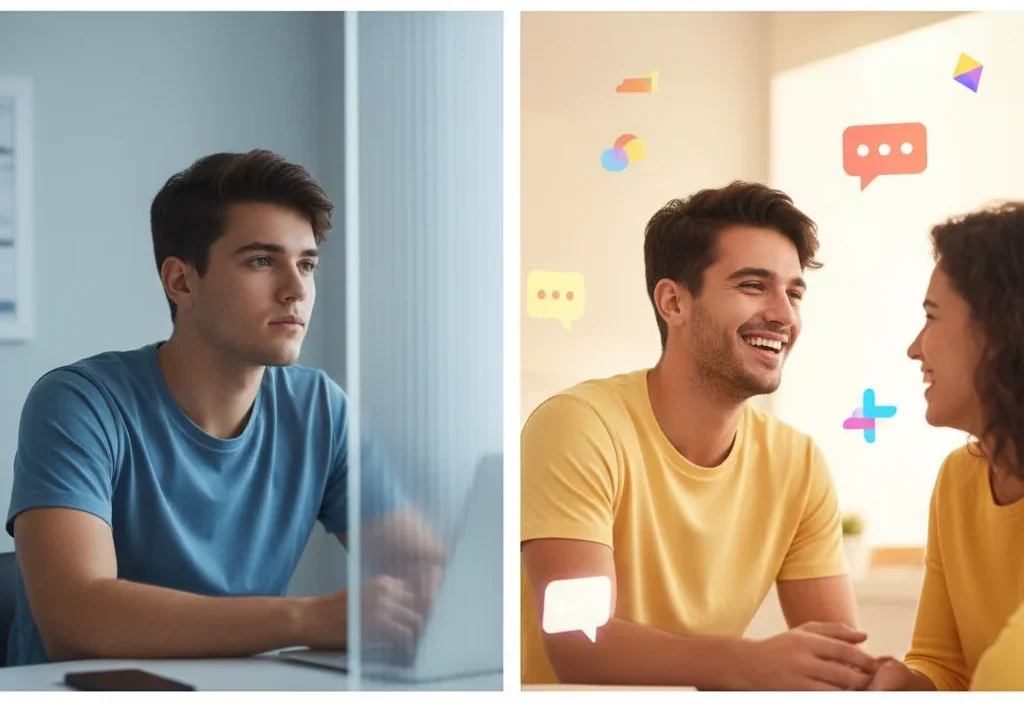
I was on my third date with Alex, and everything seemed perfect. We laughed at the same inconsiderate memes, loved the same niche coffee shops, and the chemistry was electric. But every time the conversation drifted toward feelings or the future, a subtle shutter would come down. They’d crack a joke, change the subject, or get suddenly “busy.” I left those dates feeling confused, like I was trying to hug someone through a glass wall. If you’ve ever felt that frustrating distance, you’ve likely encountered someone who is emotionally unavailable.
“Emotionally unavailable” means a person is unable or unwilling to connect with others on a deep emotional level. It’s a self-protective way of avoiding intimacy, vulnerability, and deep commitment, often leading to mixed signals and frustrating relationships.
🧠 What Does Emotionally Unavailable Mean?
At its core, being emotionally unavailable describes a person’s inability to engage in the mutual sharing of deep feelings, needs, and vulnerabilities that form the foundation of intimate relationships. It’s not just about being “bad at feelings”; it’s an active, often subconscious, defense mechanism.
Think of emotions as a language. An emotionally available person is fluent—they can understand, express, and respond to emotional cues. An emotionally unavailable person is like someone who only speaks in monosyllables or uses a translator; the core message of connection gets lost. They often build invisible walls to protect themselves from perceived threats like rejection, abandonment, or being controlled.
In short: Emotionally Unavailable = A Barrier to Deep Emotional Intimacy = Self-Protection from Vulnerability.
📱 Where Is This Term Commonly Used?
You’ll encounter this term most often in spaces dedicated to understanding human relationships and psychology.
- 💬 Dating & Relationship Advice Forums: (e.g., Reddit’s r/dating_advice) Filled with people asking, “Are they just busy or emotionally unavailable?”
- ❤️ Dating Apps & Social Media: TikTok and Instagram are hotspots for therapists and coaches creating content about “red flags” and how to spot an emotionally unavailable partner.
- 📚 Self-Help & Psychology Articles: This is the clinical and explanatory home of the concept, diving into the “why” behind the behavior.
- 🗣️ Everyday Conversations with Friends: It’s become common slang to vent about a frustrating situationship by saying, “Ugh, I think he’s just emotionally unavailable.”
The term is casual and conversational but carries significant weight. It’s perfectly suited for social media discussions and personal chats but would be described with more clinical language (e.g., “affective avoidance”) in a formal therapy setting.
👀 The Tell-Tale Signs: How to Spot an Emotionally Unavailable Person
Recognizing the patterns can save you a lot of heartache. Here are the most common signs:
- The Intimacy Vaporizer: They’re all in during the fun, easy times but disappear or become distant the moment things get deep or serious.
- Master of the Surface Level: Conversations about movies, work, or hobbies are great, but ask how they feel about something, and you’ll get a logical analysis or a joke instead.
- The Future is a Foreign Country: Any talk of plans more than a few weeks out is met with vague non-answers like “We’ll see” or “Let’s not get ahead of ourselves.”
- Hot and Cold Mixed Signals: One week they’re texting you all day, the next they’re too “busy” to reply. This cycle keeps you perpetually off-balance.
- The Blame Game: They struggle to take accountability for their actions that hurt you, often deflecting or making you feel “too sensitive” or “needy.”
- Praise Without Depth: They might call you “amazing” or “perfect,” but the compliments feel generic, lacking the specific, soul-seeing quality that makes praise feel truly validating.
- Your Therapist is Their Confidant: You often feel like a free therapist, listening to their problems, but the emotional support rarely flows back your way.
🧩 The Roots: Why Are People Emotionally Unavailable?
This behavior doesn’t come out of nowhere. It’s typically a shield forged from past experiences.
- Past Trauma or Heartbreak: A major betrayal, a painful breakup, or a difficult childhood can teach someone that opening up leads to pain.
- Avoidant Attachment Style: This is a deep-seated belief, often formed in infancy, that you cannot rely on others to meet your emotional needs. The solution is to become self-reliant to a fault.
- Fear of Enmeshment: They are terrified of losing their identity or being controlled in a relationship, so they maintain distance to feel “free.”
- They’re Just Not That Into You: Sometimes, it’s not a deep psychological pattern; they’re simply not interested in a serious relationship with you and are avoiding a direct conversation.
💬 Texting & Dating App Examples of Emotional Unavailability
The signs are often crystal clear in digital communication. Here’s how it plays out in real chats.
Example 1: The Vague Planner
A: “I was thinking, maybe we could go to that new exhibit next weekend? I’d love to spend a whole day with you.”
B: “sounds cool, we’ll see what happens lol. might be busy with work.”
Example 2: Deflecting Feelings
A: “Last night was really special to me. I feel like we’re getting closer 🥰”
B: “haha yeah it was fun! did you see the new episode of that show?”
Example 3: The Hot-and-Cold Texter
Monday:
B: “good morning 😘 miss your face. what are you wearing? can’t stop thinking about you”
Wednesday:
A: “Hey, everything okay? Haven’t heard from you.”
B: “ya just super swamped. crazy week.”
Example 4: The Future Avoider
A: “My friend’s having a wedding in three months, and I’d love it if you could be my plus-one!”
B: “oh wow. 3 months is forever away. let’s just focus on now, yeah?”
Example 5: You’re the Therapist
B: “ugh my boss is the worst. i can’t believe he said that to me. i’m so stressed.”
A: “I’m so sorry, that’s awful. Do you want to talk about it?”
B: [Sends 10 long voice notes detailing everything] … Then later:
A: “I’m feeling a bit anxious about my presentation tomorrow.”
B: “you’ll be fine. anyway, gotta run.”
🕓 When to Use and When Not to Use This Term
✅ When to Use This Term:
- When analyzing your own dating patterns or a frustrating situationship with a close friend.
- In a supportive context to help a friend understand why they feel unfulfilled in a relationship.
- In personal journaling or self-reflection to identify what you need from a partner.
- When consuming and discussing relationship advice content online.
❌ When Not to Use This Term:
- Do not use it as a direct accusation against your partner (e.g., “You’re so emotionally unavailable!”). This will likely make them defensive and shut down further.
- Avoid armchair diagnosing acquaintances or people you barely know.
- It’s not suitable for formal performance reviews or professional contexts.
Contextual Usage Table
| Context | Example Phrase | Why It Works |
|---|---|---|
| Friend Chat | “I think he’s emotionally unavailable, so I’m going to stop waiting for him to change.” | Casual, analytical, and supportive among peers. |
| Therapy Session | “I’m exploring why I tend to be drawn to partners who are emotionally unavailable.” | Clinical, self-reflective, and aimed at healing. |
| Direct Accusation | “You’re emotionally unavailable and you’ll never love anyone!” | Inflammatory, accusatory, and shuts down communication. |
🔄 Similar Concepts & Related Terms
| Concept | Meaning | Key Difference |
|---|---|---|
| Avoidant Attachment | A deep-seated fear of intimacy and a strong need for independence. | This is the underlying psychological style that often causes emotional unavailability. |
| Commitment Phobia | A specific fear of committing to a long-term relationship. | A potential symptom of being emotionally unavailable, but not the whole picture. They can avoid commitment for other reasons (e.g., not wanting kids). |
| Narcissism | A personality trait involving a lack of empathy and a grandiose sense of self-importance. | While narcissists are emotionally unavailable, not all emotionally unavailable people are narcissists. Their unavailability stems from self-protection, not a lack of empathy. |
| Stonewalling | Refusing to communicate or engage during a conflict. | This is a specific tactic or behavior that an emotionally unavailable person might use to shut down a difficult conversation. |
🤔 Am I Emotionally Unavailable? A Self-Check
Sometimes, the problem isn’t “them,” it’s us. Ask yourself:
- Do I feel bored or suffocated when a relationship starts to get serious?
- Do I have a habit of finding “flaws” in partners to justify pulling away?
- Do my friends/family tell me I’m hard to read or closed off?
- When a partner shares their deep feelings, do I feel uncomfortable and not know how to respond?
- Do I prefer the “chase” and idealization phase over the stability of a committed relationship?
If you answered “yes” to several of these, it might be worth exploring your own availability.
🛠️ What to Do If You’re Dating Someone Emotionally Unavailable
- Accept, Don’t Diagnose: Your job isn’t to be their therapist and fix them. Accept that this is their current capacity.
- Set Boundaries: Protect your own energy. Stop being constantly available for their sporadic attention. “I enjoy spending time with you, but I need consistent communication to feel secure.”
- Believe Their Actions, Not Their Words: If their words say “maybe” but their actions say “no,” believe the actions every single time.
- Focus on Your Needs: Shift the question from “Why won’t they change?” to “Are my core needs for intimacy and security being met here?”
- Be Prepared to Walk Away: The most powerful step you can take is to choose yourself and leave a dynamic that is causing you pain.
❓ FAQs About Emotional Unavailability
Can an emotionally unavailable person change?
Yes, but only if they recognize it as a problem for themselves and are willing to do the often difficult work of self-reflection, often with the help of therapy. You cannot change them.
Is emotionally unavailable the same as narcissism?
No. While there is overlap (both create frustrating relationships), the root cause is different. Emotional unavailability is often a defense from pain; narcissism stems from a lack of empathy and a grandiose self-view.
How do I talk to my partner about feeling emotionally disconnected?
Use “I” statements. Avoid accusations. Say, “I’ve been feeling a bit distant lately, and I miss our connection. Is there anything on your mind you’d like to talk about?” This is less threatening than “You are emotionally unavailable.”
Are emotionally unavailable people unhappy?
Often, yes. The walls they build to keep pain out also keep out joy, deep connection, and love, which can lead to a profound sense of loneliness, even if they won’t admit it.
💚 Conclusion
Understanding what “emotionally unavailable” means is like being given a key to a locked door you’ve been knocking on for too long. It allows you to name the invisible barrier, stop blaming yourself, and make a conscious choice. You can choose to stop knocking and walk away, seeking a connection where the door is already open, waiting for you. Remember, you cannot love someone into being available. The greatest act of self-love is to recognize when a connection is costing you your peace and to have the courage to invest your emotional energy where it is reciprocated, cherished, and valued.

Tove Jansson is a writer and dream interpreter with a deep fascination for the symbolic world of the subconscious. She explores how everyday experiences manifest in dreams, blending creativity with spiritual insights. Tove believes that every dream carries a hidden message meant to guide personal growth and self-discovery.