You’re scrolling through your feed and you see a meme. It’s a picture of someone looking impeccably dressed but slightly dangerous, with the caption: “He’s giving Peaky Blinders energy.” Or maybe a friend describes a chaotic, high-stakes situation at work as “a real Peaky Blinders moment.” You nod along, but a tiny part of your brain is asking the question: Wait, what does Peaky Blinders actually mean? Is it just a TV show, or is there more to the story? If you’ve ever felt that flicker of confusion, you’re in the right place. Let’s pull back the curtain on this iconic term.
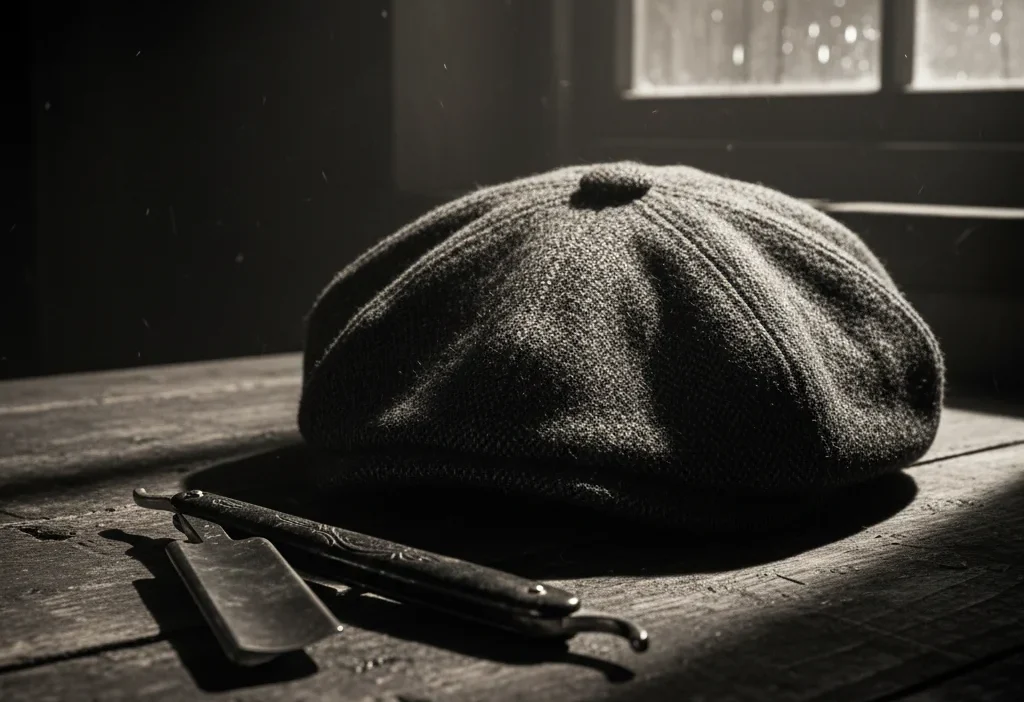
“Peaky Blinders” primarily refers to a hit BBC/Netflix TV drama series. However, the name originates from a real, brutal street gang from early 1900s Birmingham, England, infamous for sewing razor blades into the peaks of their flat caps to use as weapons.
🧠 What Does Peaky Blinders Mean in Text and Social Media?
When someone uses “Peaky Blinders” in a text, meme, or social media post today, they are almost never referring to the historical gang. Instead, they are invoking the cultural phenomenon created by the television show. The series, starring Cillian Murphy as the brooding gang leader Tommy Shelby, has saturated modern pop culture.
In a modern context, “Peaky Blinders” is used as a shorthand adjective to describe a specific aesthetic, attitude, or vibe. It encapsulates a blend of traits associated with the show’s protagonists: they are fiercely loyal to their family, ruthlessly ambitious, impeccably stylish in a rugged, vintage way, and always operating with a calm, calculated intensity, even in the face of chaos.
Example Sentence: “The way you negotiated that deal was so Peaky Blinders. Cold.”
In short: Peaky Blinders = A real historical gang + A popular TV show = A modern term for a cool, ruthless, and stylishly gritty attitude.
📱 Where Is “Peaky Blinders” Commonly Used?
The term has evolved from a proper noun into a versatile piece of internet slang. You’ll find it popping up across various digital landscapes, almost always tied to the show’s imagery and themes.
- Instagram & TikTok: 🖼️ This is the epicenter of the “Peaky Blinders aesthetic.” You’ll find fashion inspiration (#PeakyBlindersStyle), edits of Tommy Shelby’s most iconic scenes, and memes about having a “Peaky Blinders mindset” for tackling gym goals or work projects.
- Twitter (X): 🐦 Used in witty commentary and observations. For example, someone might tweet, “My Monday energy is peak Peaky Blinders: ready to start a war over a cup of tea.”
- Texting & Messaging Apps: 💬 Used casually among friends who are fans of the show to describe situations, people, or their own moods (see examples below).
- Workplace Banter (Informal): 💼 In a light-hearted context, a colleague might say, “The marketing team is getting a bit Peaky Blinders with their new strategy,” implying they’re being aggressively clever or cunning.
It is decidedly casual and social-media-friendly. You would never use it in a formal report or a presentation to clients, unless you were specifically discussing media trends.
💬 Examples of “Peaky Blinders” in Conversation
Let’s look at how this term is used in real, relatable chat examples.
- On Aesthetics & Style
A: did you see jake’s new coat and that flat cap?
B: yeah omg total peaky blinders vibe. he looks sharp. - On Ruthless Efficiency
A: how did you finish the project so fast?
B: just had a peaky blinders morning. no distractions, just business. - On Family Loyalty
A: I heard your brother got into trouble and you went down to sort it out.
B: you know how it is. peaky blinders rules. family first. - On Being Calculated
A: are you sure you don’t want to respond to his email? it was kinda rude.
B: i’m waiting. gotta be strategic about this. peaky blinders style. - As a Compliment for Toughness
A: i heard you presented to the board and they grilled you for an hour.
B: yeah, but we got the approval.
A: damn, that’s some peaky blinders shit. well done. - Describing a Situation
A: the office politics in my department are outrageous right now.
B: sounds like a proper peaky blinders situation. who’s betraying who?
🕓 When to Use and When Not to Use “Peaky Blinders”
Knowing the context is key to using this slang correctly without causing confusion.
✅ When to Use:
- With friends who are familiar with the TV show.
- In informal group chats about style, music, or attitude.
- In social media captions or comments where the reference is widely understood.
- To give a unique, pop-culture-savvy compliment.
- When describing a situation that is chaotic but where you feel in control.
❌ When Not to Use:
- In formal emails, reports, or professional documents.
- When speaking to someone who is unlikely to know the reference (e.g., your boss, your grandparents).
- In serious or sensitive situations where the gangster/violent connotations would be inappropriate.
- To describe actual violence or criminal activity.
Here’s a quick comparison table for clarity:
| Context | Example Phrase | Why It Works (or Doesn’t) |
|---|---|---|
| Friend Chat | “Your new haircut is so Peaky Blinders, I love it!” | Casual, complimentary, and assumes shared cultural knowledge. |
| Work Chat (Informal) | “The sales team was a bit Peaky Blinders in that meeting, but it worked.” | Can work if colleagues are fans, but tread carefully as it implies ruthlessness. |
| Formal Email | “Please approach this project with a Peaky Blinders attitude.” | Does NOT work. Unprofessional, confusing, and inappropriate. Use “strategic and determined” instead. |
🔄 Similar Slang Words or Alternatives
“Peaky Blinders” occupies a specific niche, but there are other slang terms and phrases that capture similar ideas of coolness, ruthlessness, or a specific aesthetic.
| Slang | Meaning | When to Use |
|---|---|---|
| Main Character Energy | The vibe of someone who is confident and the center of their own story. | More positive and self-focused than Peaky Blinders; less about ruthlessness. |
| Sigma Male | A lone wolf who is successful and charismatic but operates outside social hierarchies. | Used in online “manosphere” circles; shares the calm, calculated traits but is more isolated. |
| Villain Arc | Jokingly referring to a period where someone is being selfish, ambitious, or morally grey to achieve their goals. | Directly overlaps with the “ruthless” aspect of Peaky Blinders. |
| Goated | Greatest Of All Time. | A pure compliment for skill, without the stylistic or moral complexity of Peaky Blinders. |
| Badass | Tough, intimidating, or exceptionally cool. | A more generic and long-standing term that covers similar ground but lacks the specific aesthetic. |
| Gritty | Showing courage, resolve, and a tough, uncompromising nature. | Describes the texture of the attitude, but not the style or calculated intelligence. |
✨ The Deeper Meaning: Beyond the Slang
To truly understand the weight of the term, it’s essential to look past the modern slang and even the TV drama to its brutal historical roots. The real Peaky Blinders were not romantic anti-heroes; they were a dangerous criminal gang in post-World War I Birmingham. Their name is believed to come from their distinctive fashion: they wore tailored jackets, bell-bottomed trousers, leather boots, and flat caps (peaks) into which they would sew razor blades. This wasn’t just for show—the hidden blades were a vicious and readily available weapon.
When you use the term “Peaky Blinders,” you’re tapping into this history of working-class struggle, organized crime, and a very specific, terrifying form of violence, all filtered through the lens of a stylish television production. The modern slang glorifies and sanitizes the reality, focusing on the cool factor while leaving the true brutality in the past.
❓ FAQs About Peaky Blinders
Is Peaky Blinders based on a true story?
Yes, loosely. The Shelby family is fictional, but the Peaky Blinders gang was very real and active in Birmingham from the 1890s to the early 1900s.
Why are they called Peaky Blinders?
The most accepted theory is that they hid razor blades in the peaks (brims) of their flat caps, which they would then use to blind their enemies.
What does “Peaky” mean?
In this context, “peaky” refers to the peaked brim of a flat cap. It is not related to the adjective meaning “sickly” or “pale.”
Is it okay to call someone “Peaky Blinders”?
In a casual, complimentary way among friends who get the reference, yes. But be aware it implies a level of ruthlessness and moral ambiguity, so use it carefully.
What is the Peaky Blinders aesthetic?
It’s a mix of rugged, vintage English working-class style: flat caps, tailored overcoats, waistcoats, crisp shirts, and boots. It’s smart but practical and undeniably cool.
💎 Conclusion
So, the next time you see or hear “Peaky Blinders” used in a text or online, you’ll know it’s a layered term. On the surface, it’s a pop-culture reference to a gripping TV show. Just beneath that, it’s a stylish shorthand for a cool, calculated, and gritty attitude. And at its foundation lies the brutal, fascinating history of a real urban gang from a bygone era. Whether you’re using it to compliment a friend’s style or describe your own determined mindset, you’re now part of a conversation that spans a century. Just remember to use your power wisely—and maybe leave the razor blades out of your hat.

Silvina Ocampo is a spiritual writer and analyst of dream symbolism. With a background in literature and mystical studies, she uncovers the deeper meanings behind dreams and their connection to the human psyche. Silvina’s writings invite readers to explore the hidden layers of their dreams and awaken their inner wisdom.