I’ll never forget the first time I got a text from my crush followed by a single, delicate pink heart. My brain short-circuited. “A heart is good… but why pink? Is it softer than a red heart? Is it more friendly than romantic? Did they send it by accident?!” I spent an embarrassing amount of time overanalyzing that one tiny character. If you’ve ever found yourself staring at a 💗, wondering about the secret message it holds, you’re in the right place. The world of emojis is a language of its own, and the pink heart is one of its most sweetly nuanced symbols.
The pink heart emoji 💗 symbolizes tender, affectionate, and gentle love. It’s a softer, less intense alternative to the red heart, often representing crushes, budding romance, compassion, gratitude, or a deep, non-romantic fondness.
✨ What Does the Pink Heart Emoji Mean in Text?
At its core, the pink heart emoji 💗 is all about the softer side of love. While the classic red heart ❤️🔥 can signify deep, passionate, and sometimes dramatic love, the pink heart dials down the intensity. It represents warmth, affection, and a caring, gentle kindness. Think of it as the emoji equivalent of a warm hug, a supportive smile, or a heartfelt compliment. It’s less about fiery, all-consuming romance and more about the sweet, fluttery feelings of a new crush, the comfort of a close friendship, or admiration for someone.
You can use it to say, “I care about you,” “I’m thinking of you fondly,” or “This is so sweet!” without the heavy weight that a red heart might sometimes carry. It’s incredibly versatile and carries a universally positive and warm sentiment.
In short: 💗 = Tender, Affectionate Love = A softer, gentler way to show you care.
🧠 The Nuances of the Pink Heart: More Than Just One Meaning
The beauty of the 💗 is in its subtlety. Its meaning can shift slightly depending on the context and the relationship between the people texting. Let’s break down its most common interpretations.
💕 A Gentle, Budding Romance
This is one of the most popular uses of the pink heart. In the early stages of dating or a crush, the red heart might feel too strong or forward. The pink heart is a perfect, low-pressure way to express interest and affection. It says, “I really like you and I’m enjoying this,” without the pressure of “I’m deeply in love with you.”
👯♀️ Deep Friendship and Platonic Love
The pink heart is a staple in messages between close friends, especially among women. It’s a way to show platonic love, support, and appreciation. Sending a 💗 to your best friend after a long chat or to thank them for their support is a warm and common practice.
🤰 Maternal Love and Nurturing
Pink is often culturally associated with femininity and nurturing, making the 💗 a beautiful symbol of a mother’s love, care, and compassion. It can be used in contexts related to family, children, or any nurturing relationship.
🙏 Gratitude and Appreciation
A simple “thank you 💗” can feel much warmer and more sincere than words alone. It adds a layer of genuine appreciation and kindness to a message of thanks.
😊 General Admiration and Fondness
You can use the pink heart to express admiration for something cute, sweet, or beautiful. For example, commenting on a baby picture, a cute puppy video, or a friend’s new outfit with a 💗 is a way of saying, “This fills my heart with joy and affection.”
📱 Where Is the Pink Heart Emoji Commonly Used?
The pink heart is a social media and messaging superstar. You’ll find it flourishing in these digital spaces:
- Instagram & Facebook: 💗 Used in comments on posts about friendships, family, cute animals, and supportive messages. It’s also popular in Stories and DMs to express fondness.
- TikTok & Snapchat: 💗 Perfect for reacting to sweet, romantic, or aesthetically pleasing content. It’s a go-to for Gen Z and younger audiences to express a softer form of admiration.
- Text Messaging (iMessage, WhatsApp, etc.): 💗 The primary domain for one-on-one affectionate exchanges between friends, family, and romantic interests.
- Twitter: 💗 Used in tweets expressing gratitude, support for a cause or person, or sharing something heartwarming.
Tone: It is almost exclusively casual, friendly, and social-media–friendly. You would never use it in a formal email or professional communication.
💬 Examples of the Pink Heart Emoji in Conversation
Seeing the 💗 in action is the best way to understand its use. Here are some realistic text exchange examples.
Context: A Budding Crush
A: I had a really nice time with you tonight 😊
B: me too 💗 can’t wait to do it again
Context: Comforting a Friend
A: Ugh, I’m so stressed about this exam.
B: you’ve got this! I believe in you 💗
Context: Thanking a Friend
A: I picked up your favorite coffee for you, it’s on your desk.
B: omg you’re the best, thank you! 💗
Context: Mother and Child
Mom: Good luck on your presentation today, sweetie! You’ll be amazing.
You: Thanks mom 💗 that means a lot.
Context: Admiring Something Cute
A: Look at my new kitten!! [picture of a kitten]
B: STOP IT RIGHT NOW 😭💗 SO PRECIOUS
Context: General Affection Between Friends
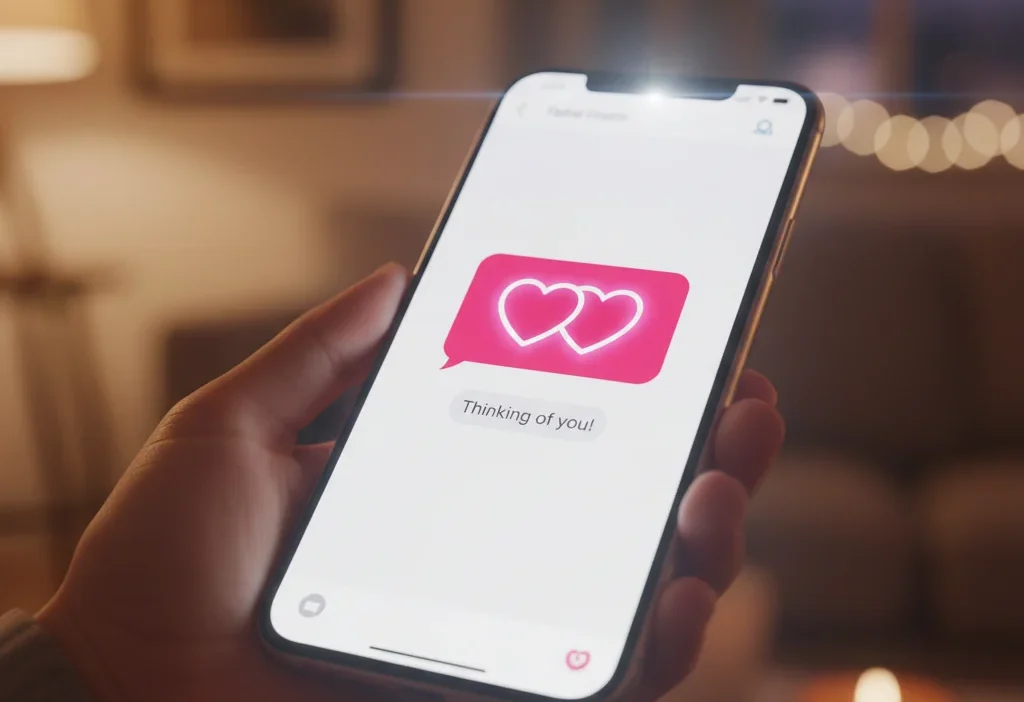
A: Just thinking about you, hope you’re having a good day! 💗
B: aw you too! needed this 💗
Context: Supporting a Creative Project
A: I just posted my first art piece online, I’m so nervous!
B: it’s beautiful, you’re so talented! 💗
🕓 When to Use and When Not to Use the Pink Heart Emoji
Navigating the dos and don’ts of the 💗 is key to using it effectively.
✅ When to Use the Pink Heart Emoji
- With Close Friends and Family: To express platonic love and support.
- In the Early Stages of Dating: To show affection without being too intense.
- To Express Gratitude: To make a “thank you” feel warmer.
- When Reacting to Cute or Sweet Content: Like babies, animals, or kind gestures.
- To Soften a Message: Adding a 💗 can make a sentence feel more gentle and caring.
❌ When NOT to Use the Pink Heart Emoji
- In Formal or Professional Communication: Never in emails to your boss, clients, or colleagues.
- During Serious or Sad Conversations: It would come across as insensitive and tone-deaf.
- When You Want to Declare Deep, Passionate Love: For that, the red heart ❤️ is more appropriate.
- With Someone Who Might Misinterpret It: If you’re worried it will send the wrong signal, it’s better to stick with words.
Context Comparison Table
| Context | Example Phrase | Why It Works (or Doesn’t) |
|---|---|---|
| Texting a Crush | “That was so fun last night 💗” | Perfectly conveys budding interest without being overbearing. |
| Comforting a Friend | “I’m always here for you 💗” | Adds a layer of warmth and sincerity to your support. |
| Professional Email | “Please find the report attached. 💗” | Does NOT work. Highly unprofessional and inappropriate. |
| Formal Thank You Note | “Thank you for the interview opportunity.” | Does NOT work. Words alone are more formal and respectful. |
| Comment on a Friend’s Photo | “You look amazing here! 💗” | A common and friendly way to show admiration. |
🔄 Pink Heart vs. Other Heart Emojis: A Color-Coded Guide
The heart emoji family is vast. To truly understand the 💗, you need to see how it fits in with its colorful cousins. Here’s a quick guide:
| Emoji | Name | Common Meaning & When to Use |
|---|---|---|
| 💗 | Growing Heart / Pink Heart | Tender affection, crushes, gratitude, nurturing love. |
| ❤️ | Red Heart | Deep, passionate, romantic, or familial love. The most intense and universal love symbol. |
| 🧡 | Orange Heart | A unique, supportive love. Great for close friendships and showing admiration for someone’s uniqueness. |
| 💛 | Yellow Heart | Pure, platonic friendship. The go-to for your best friends. |
| 💚 | Green Heart | Can symbolize jealousy, but also growth, nature, and support for environmental causes. |
| 💙 | Blue Heart | Trust, harmony, and platonic support. Often used for “bro love” or supporting a cause. |
| 💜 | Purple Heart | Compassionate and luxurious love. Often associated with loyalty and nobility. |
| 🖤 | Black Heart | Sorrow, edginess, dark humor, or a symbol of deep, unrequited love. |
| 🤍 | White Heart | Pure, innocent love. Also used to show condolences or sympathy. |
| 🤎 | Brown Heart | A warm, earthy love. Used for close friendships, family, or things like chocolate and coffee. |
🎨 The Technical Side: What is the Pink Heart Emoji Officially Called?
You might be surprised to learn that the 💗 is not officially named the “Pink Heart” by Unicode, the consortium that standardizes emojis. Its official name is the “Growing Heart” emoji. This name beautifully captures its essence of a heart that is expanding with affection, love, or joy. The “pink heart” is its common, colloquial name that everyone uses, but knowing its official title gives you even more insight into its intended meaning.
💞 How to Respond to a Pink Heart Emoji
You’ve been sent a 💗. How do you reply? It depends entirely on the context and your relationship with the sender.
- If you feel the same way: Mirror their energy! Replying with a 💗 or a similar affectionate emoji (like 💛 or 😊) is a safe and appreciated response.
- If it’s from a friend: A 💛 (yellow heart) is a classic friend-zone response, or you can simply reply with a kind message and a different friendly emoji like 😘 or 🙏.
- If you’re unsure: You can never go wrong by acknowledging the message with words. A simple “Aww, thanks!” or “Right back at you!” is a warm and neutral reply.
🚦 Common Misconceptions and Mistakes with the Pink Heart
Let’s clear up some confusion surrounding this delicate emoji.
- Myth: It’s always flirty. While it can be, it’s more often used platonically. Don’t assume romantic interest based on this emoji alone.
- Mistake: Using it excessively. Spamming 💗💗💗 can dilute its meaning and make it seem insincere. One is often more powerful than ten.
- Mistake: Using it in the wrong context. As mentioned before, keep it out of professional settings to avoid appearing unprofessional.
❓ FAQs
Q1: Is the pink heart emoji flirty?
It can be, especially in a one-on-one context with someone you’re dating or have a crush on. However, it’s more commonly used to express gentle, non-romantic affection between friends. Always look at the overall conversation for clues.
Q2: What’s the difference between a pink heart and a red heart?
The red heart ❤️ is for deep, passionate, and committed love. The pink heart 💗 is for softer, gentler, and often less committed forms of affection, like a crush, close friendship, or admiration.
Q3: Can I use the pink heart with a guy friend?
Absolutely! Emojis are not gender-specific. If you have a close, platonic friendship, using a 💗 is a sweet way to show you care. If you’re worried about mixed signals, the yellow heart 💛 is the classic “friend zone” heart.
Q4: What does it mean if someone always uses pink hearts?
It likely means they are a warm, affectionate person who uses the emoji to soften their messages and express fondness. It’s a sign of a kind and caring communication style.
Q5: What is the official name of the pink heart emoji?
Its official Unicode name is the “Growing Heart.”
Q6: Is the pink heart emoji appropriate for a professional setting?
No. It is far too casual and personal for professional emails, Slack messages, or any communication with colleagues or clients. Stick to formal language.
💖 Conclusion
The pink heart emoji 💗 is a small but mighty tool in our digital vocabulary. It allows us to express the nuances of affection that words alone sometimes can’t capture—the gentle fondness for a friend, the fluttery excitement of a new crush.

Tove Jansson is a writer and dream interpreter with a deep fascination for the symbolic world of the subconscious. She explores how everyday experiences manifest in dreams, blending creativity with spiritual insights. Tove believes that every dream carries a hidden message meant to guide personal growth and self-discovery.